


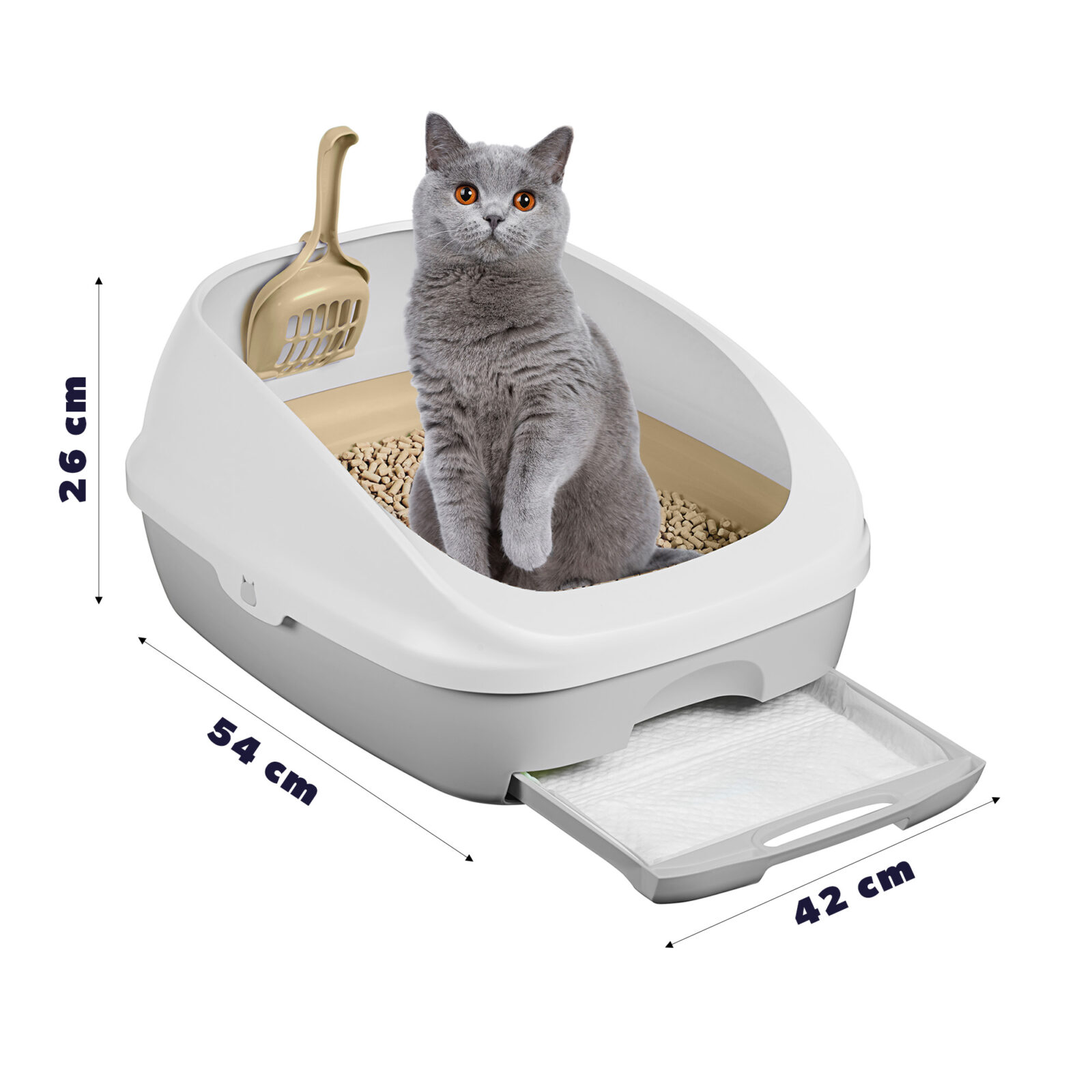
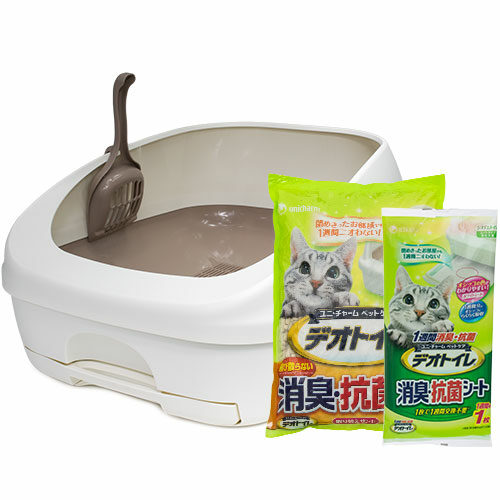
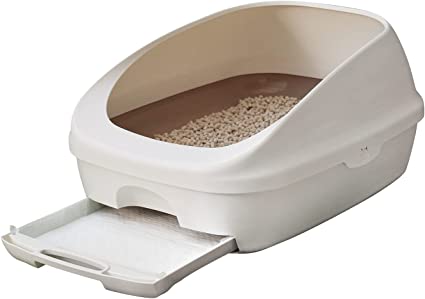
Dimensions: 54 x 42 x 26 cm
The Classic Dual Layer Litter System is ideal for cats weighing up to 8 kg. It comfortably accommodates both small and large cats, provided they are happy using a tray of these proportions.
Featuring a low-profile, open design with high sides, this litter tray is remarkably versatile. It is well-suited for larger cats up to 8 kg, especially in spaces where placement is limited. It can also support households with two or three cats. Please ensure you check the dimensions carefully before purchasing.
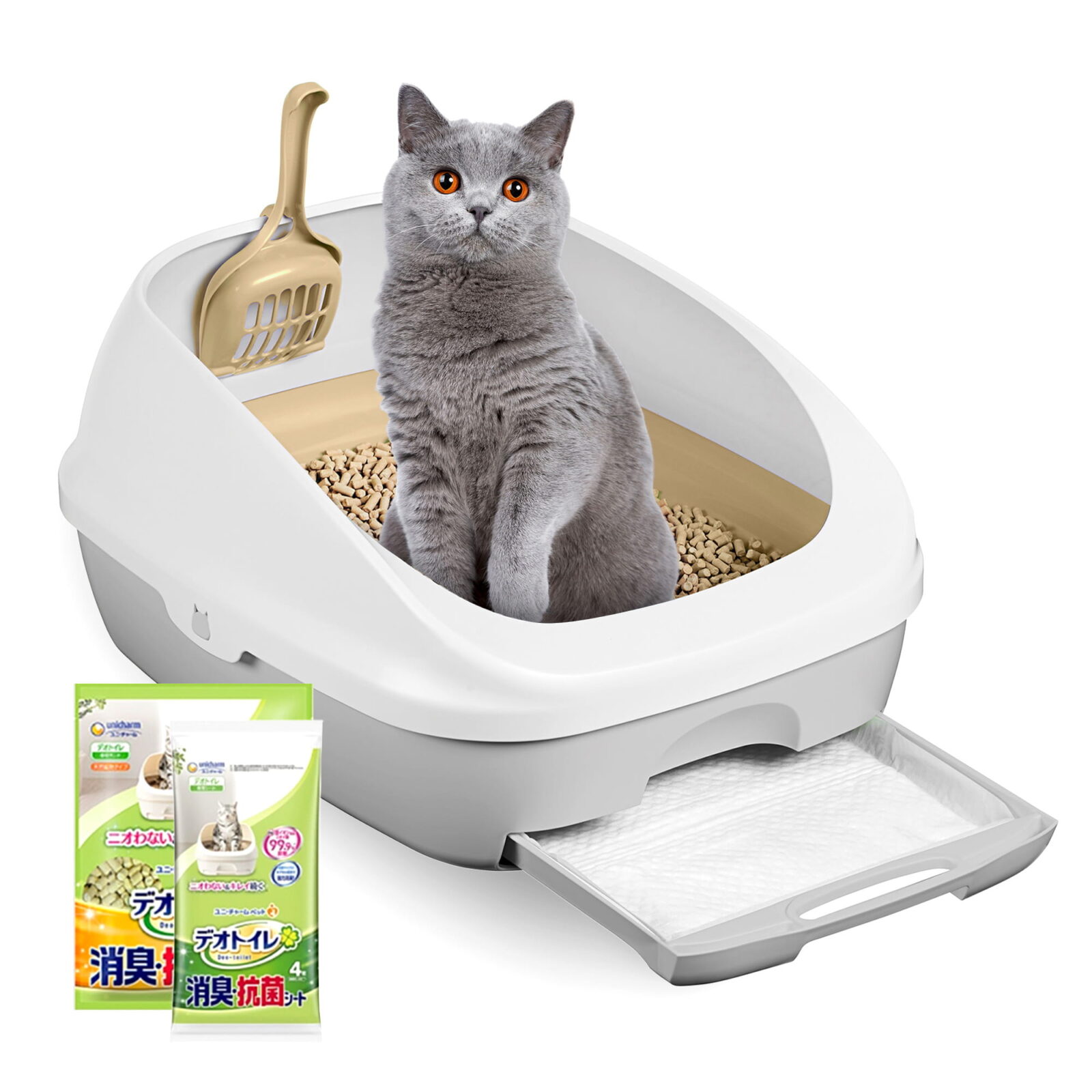
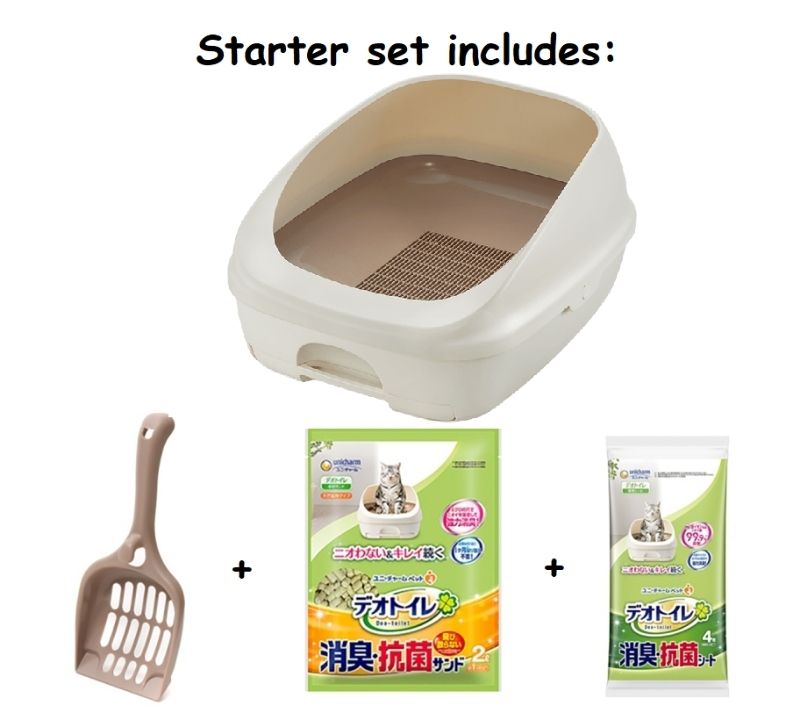
Cat Starter Kit Contents: Classic open-style cat litter tray with scoop, 1.81 kg pack of zeolite litter pellets, and absorbent pads.
The starter pack provides a full month’s supply of pellets and pads for one or two cats or kittens.
Care Routine
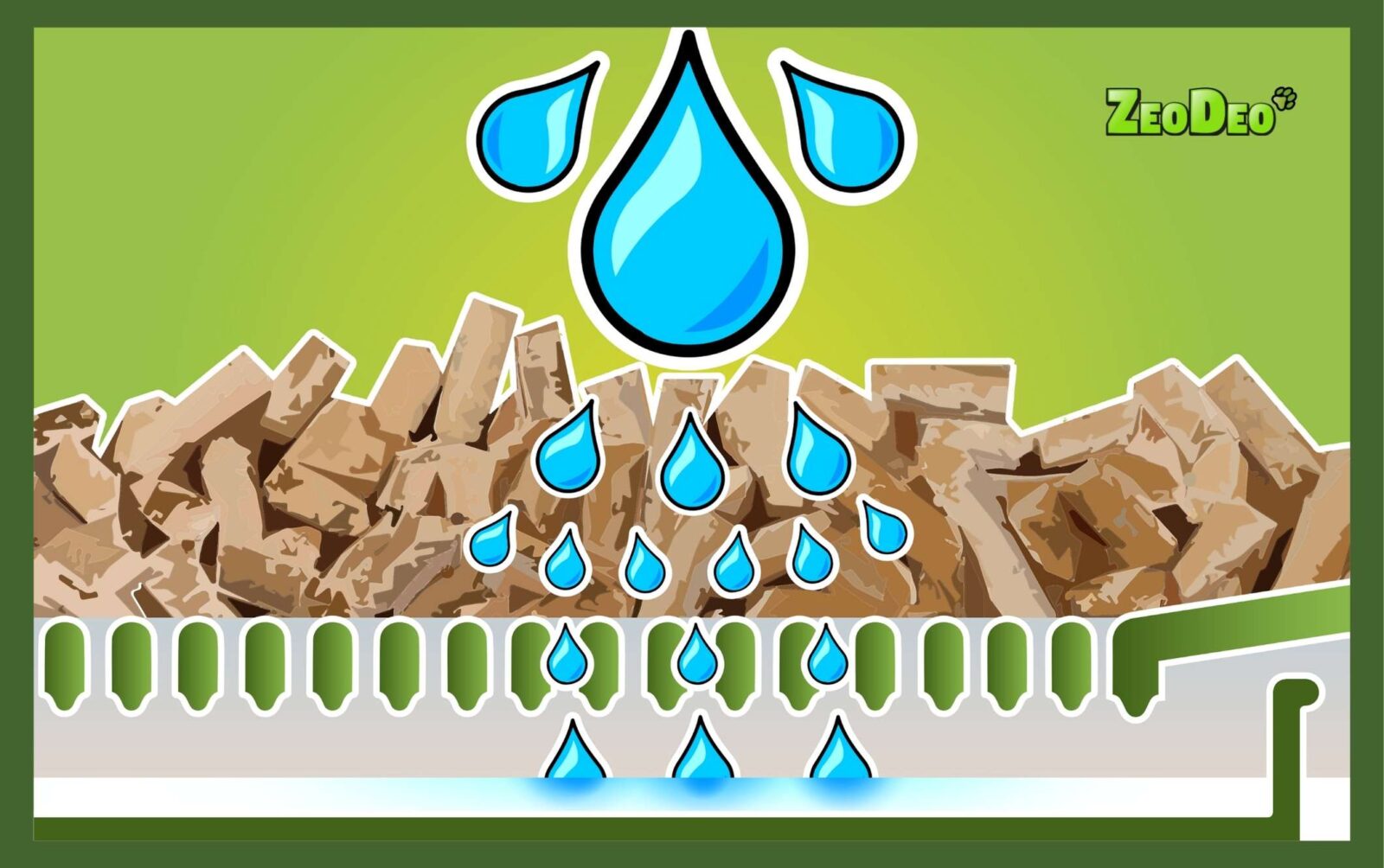
Special absorbent pads take care of all liquids, whilst dust-free zeolite pellets naturally manage odours and moisture.
- Weekly: Simply replace the pad.
- Monthly: You will need to replace the granules.
- As Needed: Scoop any solids.
- Important: Unlike traditional litter, there is no need to hoover any tracked particles around the house.
- Benefit: You will enjoy no litter tray odours in the room, ensuring a clean environment.
Operation Manual for Standard Double-Layer Cat Litter Tray
Preparation for Use:
- Unpack your starter pack and assemble the classic litter tray with its pull-out tray.
- Pour the 1.6 kg pack of litter pellets onto the tray grid. This is the recommended amount for optimal performance.
- Place the pad into the lower tray, spreading it out carefully. Ensure the edges of the pad are turned upwards to prevent any liquid from getting underneath; the tray should remain completely dry.
- The litter tray with its pull-out system is now ready for use.
Maintenance of the Litter Tray
Remove Solid Waste:
- We suggest removing solid waste as it appears. Alternatively, you can leave it in the litter tray for a short while to dry, which makes it easier to shake off any adhering granules.
- Solid waste can be disposed of in the toilet if it is free from pellets. Please shake any granules back into the tray with the scoop, as they must not be flushed because they do not dissolve in water.
Managing Softer Stools:
- If your cat has softer stools, please discard all soiled pellets immediately.
- If your cat has softer stools regularly, we recommend consulting with us before purchasing the system.
Change the Pad:
- Replace the pad once a week, or more frequently if required.
- Carefully slide out the tray, remove the used pad and dispose of it in a bin bag.
- The tray can be wiped or rinsed if any spills occur.
- Insert a fresh pad, spreading it evenly with the edges lifted.
- Slide the tray back into the litter tray.
Change the Granules:
- The granules should be replaced once a month.
- Remove the top section of the litter tray and pour the old pellets from the grid into a bin bag.
- Wash the grid with soap and water, cleaning any other parts of the litter tray as necessary.
- Dry all components thoroughly with kitchen roll or a soft cloth. You may also choose to use a disinfectant at this stage.
- Reassemble the tray, add fresh granules to the grid, and prepare the lower tray with a new pad.
Important Note
Regardless of usage levels, pellets must be replaced every 60 days at the very latest. Washing and reusing dirty granules is strictly prohibited. Failing to replace the pellets or attempting to reuse them poses a bacterial risk to both pets and owners.
Usage – Frequency of Changing Pellets and Pads
For one small cat (2-4 kg) per month:
- 4 pads (change every 7-8 days)
- 1 pack of granules (change every 30-60 days)
For one medium-sized cat (6 kg) per month:
- 4-6 pads (change every 5-7 days)
- 1 pack of granules (change monthly)
For two cats sharing one litter tray per month:
- 6-10 pads (change every 3-5 days)
- 1 pack of granules (change monthly)
For three cats sharing one litter tray per month:
- 8-12 pads (change every 3-5 days)
- 1-2 packs of granules (change every 2-3 weeks)
The lifespan of a pad can vary depending on your cat’s health, diet, size and urine output. If you notice an odour before the scheduled change, please get in touch for advice. You may also use a special deodorizer that prevents odours from forming for an extended period.
How to Accommodate a Cat to a New Classic Litter Tray
In 95% of cases, there are no issues, and cats simply start using new litter tray as soon as it replaces the old one. Some may be more cautious, observing it for a day before settling in. Occasionally, transferring a small amount of scent from the old litter can help your cat recognise the new tray as their dedicated space.
If your cat refuses to use the new litter tray, follow these steps sequently rather than making all changes at once:
- Introduce the texture by mixing a small amount of the granules into their current litter filler in the old tray.
- Place the new litter tray alongside the old one. You can temporarily remove the high edges of the new tray if your cat prefers a flatter entrance.
- Stop cleaning the old tray. Naturally, the cat will eventually prefer the clean environment of the new litter tray.
- Once they are using it consistently, you can remove the old tray.
Every cat has its own personality, so a little patience goes a long way.
Please feel free to get in touch if you need any further assistance or advice.
People ask